Skip to content


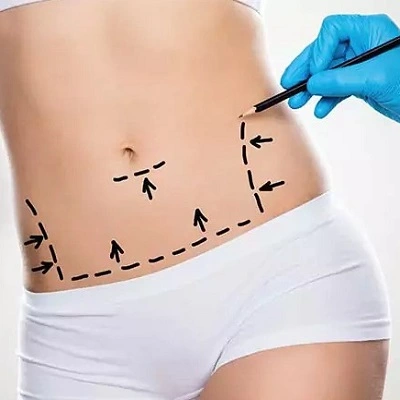
Abdominoplasty, or tummy tuck, is a body image surgery used to trim surplus skin and fix slack abdominal muscles. Body Mass Index (BMI) is one of the most significant eligibility criteria that surgeons look at before prescribing the procedure. Knowing the BMI limit for abdominoplasty will also assist the patient in setting goals, minimizing the risk of surgery, and achieving long-term effects.
In Islamabad, qualified plastic surgeons take into consideration BMI and general health, skin condition, and lifestyle behavior before surgery. Normal BMI has a great impact on healing, safety, and aesthetic outcomes.
Understand BMI and Its Role in Tummy Tuck Surgery:
BMI is a number that is obtained through height and weight and estimated levels of body fat are derived. Though this is not an evaluation of the fat distribution process, it gives surgeons a standardized method to determine the risk of surgery. On the candidates for abdominoplasty, BMI assists in determining:
- Anesthetic-associated complication risk.
- Risks of wound healing complications.
- Possibility of sustainable, lasting outcomes.
The majority of surgeons would attest that abdominoplasty is not a weight-loss surgery. It is a shaping product that fits the patients who are near the optimal body weight.
Recommended BMI Cut Off During Abdominoplasty:
Generally, the optimum BMI in tummy tuck surgery is in a given range that is safe as well as effective.
| BMI Range | Surgical Consideration | Suitability |
| Below 25 | Low surgical risk | Ideal candidate |
| 25–30 | Mildly elevated risk | Acceptable with evaluation |
| 30–35 | Higher complication risk | Case-by-case basis |
| Above 35 | Significant risk | Surgery usually deferred |
Plastic surgeons also insist that abdominoplasty should be performed on a patient with a BMI lower than 30. Nonetheless, more advanced surgeons can take slightly higher BMI patients in case the weight is not increasing, and the overall health is not poor.
Why Does High BMI Increase Surgical Risk?
High BMI is related to fatness in the body that can cause poor surgical outcomes and safety. In the process of abdominoplasty, the experience of excess fat may disrupt blood flow to the healing tissues. The major risks that are associated with high BMI include:
- Delayed wound healing.
- Higher infection risk.
- A greater likelihood of the formation of the fluid.
- Weakly delineated abdominal outline.
Professional Opinion of Dr. Husnain Khan:
As a very long time plastic surgeon who has practiced in the field of plastic surgery for more than 17 years, Dr. Husnain Khan is a doctor who prioritizes the safety of the patient as a top priority. He thoroughly examines BMI and fat distribution, muscle laxity and skin elasticity before prescribing abdominoplasty.
Dr. Husnain Khan says that the patient who manages to maintain a consistent weight for at least six months before surgery has a smoother transition and results are more predictable. His philosophy is to develop natural lines with the least amount of complications in a bid to reduce this by ensuring that the right candidates are hired.
Can Patients With Higher BMI Still Qualify?
Yes, in selected cases. Those patients whose BMI is somewhat above the recommended value could still be discussed in case they fit some of the criteria set. Surgeons may proceed when:
- Weight is stable over several months.
- None of the uncontrolled medical conditions.
- The fat is concentrated primarily in the abdomen.
- The patient has realistic limits of outcomes.
Abdominoplasty at Royal Cosmetic Surgery Clinic, Islamabad:
Patient care at the Royal Cosmetic Surgery Clinic in Islamabad is achieved by putting high emphasis on safety, transparency, and personal care. To recommend abdominoplasty, the surgeon evaluates the BMI, the body composition, and long-term objectives, which guarantee that the results of the process are correlated with health and beauty.
Last Word on the BMI and Tummy Tuck Qualification!
The BMI limit of abdominoplasty is there to protect the patients and make surgery more successful. Although the BMI index should not exceed 30 in most cases, there are seasoned surgeons such as Dr. Husnain Khan who know that each body is unique. When there is appropriate assessment, planning, and preparation, the rightful candidates can attain a flatter and firmer abdomen and be confident and safe.