Skip to content


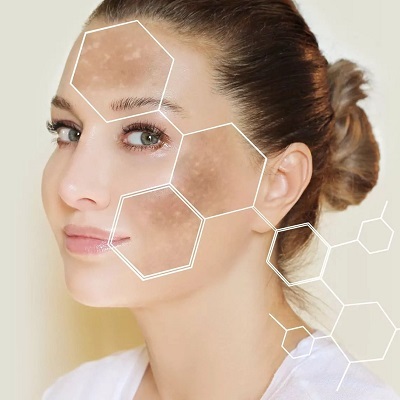
Melasma is a widespread skin problem which makes brownish or pale patches on the skin, mostly on the face. It is usually found on the cheeks, forehead, upper lip, and chin. It is a frustrating situation for many as the pigmentation continues to recur despite treatment. The first approach should be understood to control and make an improvement visible for a long time. Melasma occurs as a result of excess pigment cells. It can be caused by sun exposure, hormonal changes, pregnancy, genetics, and some medications. Treatment should be regular, soft, and planned since a number of factors are at play.
Understand Why Early Melasma Treatment:
Early treatment can be used to avoid deepening and becoming more resistant to melasma. As pigment accumulates in deeper layers of the skin, the treatment duration will be increased and outcomes less predictable. Before engaging in more complex interventions, dermatologists concentrate on the control of triggers. The initial treatment aims at minimizing pigment formation, soothing inflammation, and preserving the skin barrier. Premature aggressive treatments may exacerbate discoloration, particularly in sensitive or darker skin.
Basic Ideals of Firstline Melasma Treatment:
Topical agents and sun protection are the initial treatment of melasma and are mainly hydroquinone (HQ), frequently with a retinoid (such as tretinoin) and a weak corticosteroid (so-called triple therapy), but azelaic acid, kojic acid, or cysteamine are also employed, particularly in pregnancy or when patients are intolerant of hydroquinone. This is effective as it would treat melasma instead of covering discoloration.
Sun Protection As the Foundation of the Treatment:
No melasma therapy would work without rigorous measures of sun protection. Several months of progress can be reversed by a small amount of UV. It is important to use a wide-range sunscreen of SPF 30 or above daily. Redressing after every two to three hours, in particular outdoors, is visibly different. Sensitive skin is often preferred to be used on physical sunscreens with zinc oxide or titanium dioxide.
Wide-brim hats, sunglasses, and not being in the sunlight at midday all help in the success of the treatment. Photoprotection, UV protection, and broad-spectrum sunscreen are not even auxiliary measures, but the basis.
Topical Treatment Used First At Royal Cosmetic Surgery Clinic, Islamabad:
Hydroquinone-Based Therapy:
The gold standard in the treatment of hyperpigmentation is thought to be hydroquinone. Its action is to prevent the production of melanin. It is normally prescribed by dermatologists for short terms to minimize the chances of irritation or post-inflammatory pigmentation.
Triple Combination Creams:
Triple therapy involves the use of a combination of hydroquinone, a retinoid, and a weak steroid. Every ingredient plays a certain role. The retinoid increases the turnover of the cell, hydroquinone decreases pigment, and the steroid controls the irritation.
The combination can provide quicker and more even outcomes than uningredient products do. A combination cream, topical depigmenting agents, and melasma topical treatment are highly discussed with dermatology because of their effectiveness.
Safe Alternatives for Pregnancy and Sensitive Skin:
Not everyone can tolerate Hydroquinone. Safety is a requirement for pregnant women and those with very sensitive skin. One of the most frequently suggested ones is azelaic acid. It decreases the production of pigment as well as facilitates acne and redness. Also useful in the control of discoloration are kojic acid cream and cysteamine cream, with reduced risk of irritation.
Such options are slower, but they are less dangerous than the other options in the long term. Non-hydroquinone melasma treatment, Azelaic acid, and pregnancy-safe melasma treatment are also key factors for many patients.
What to Expect From First- line Treatment?
Results are gradual. After six to eight weeks, the majority of people would find improvement. The entire benefits can be observed only in the case of regular use and only after 3 months.
Melasma is recurrent; this means that it comes back. Even after observable improvement, maintenance therapy and further use of sun protection are required.
Book Your Consultation Now!
Schedule your consultation at Royal Cosmetic Surgery, receive a melasma treatment plan, and begin your path to even-toned and flawless skin under the guidance of an expert. The treatment of melasma involves first-line treatment that aims to regularize your skin and establish topical solutions. The right starting point is sun avoidance, dermatologist-prescribed creams, and gentle skincare. Although melasma may be recalcitrant, prompt and proper treatment produces manifest results and greater long-term control. Closer and smoother skins can be obtained through patience and due attention.