Skip to content

A knee replacement is not just a surgery to those who are experiencing chronic joint pain, but a second chance to live an active life. But the biggest question that patients have in mind is the following: Time to walk normally after knee replacement
Although you will be on your feet quite rapidly, the process of walking at a normal pace, which is considered to be a steady, pain-free walk, and no aids, is slow. This guide divides the recovery clinical milestones to allow you to set natural expectations of your journey.
What is Knee Replacement Surgery?
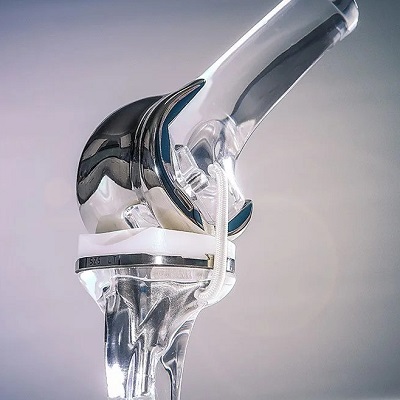
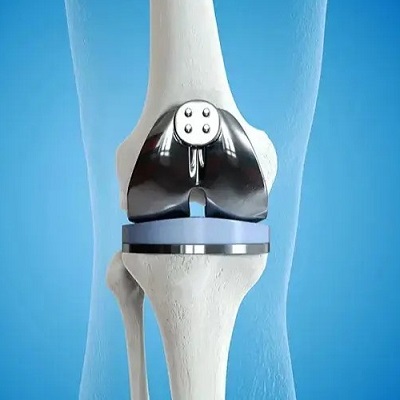
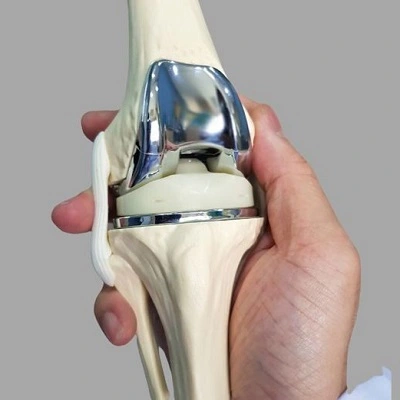
Knee replacement or knee arthroplasty is a type of surgery used to resurface a knee that has suffered due to arthritis or major damage that has occurred as a result of a serious injury. To relieve pain and restore functionality, metal and plastic components are put at the ends of the bones that make up the knee joint, as well as the kneecap.
Types of Knee Replacement:
Surgeons can either perform a Total Knee Replacement (TKR), in which the whole of the knee is substituted, or a Partial Knee Replacement (PKR), which replaces only the specific damaged compartment of the knee. The choice depends on the extent of the damage and the stability of the surrounding ligaments.
The Immediate Post-Op Phase (The First 24 Hours):
You will not believe it, but your wandering walk starts the same day of your surgery. Orthopedic regimens focus on early movement to avoid blood clotting and the decrease in stiffness. In 12 to 24 hours, a physical therapist will assist you to get on your feet and walk a few steps with a walker or a crutch. These are initial actions that are not so much about space as they are about reprimanding the muscles that surround your new joint.
Weeks 1-3 ( Finding Your Rhythm):
The first three weeks of treatment are primarily aimed at dealing with swelling and restoring a minimum of movement range. The majority of patients have a walker in the initial week and change to a cane in week two or three.
Weeks 4-6 (The Turning Point):
This tends to be the most fulfilling stage of recovery. Inflammation has also reduced considerably by the end of one month, and it becomes possible to move more fluidly. Most of the patients can walk inside without the use of a cane or walker in 10-15 minutes of time.
Months 3-6 (Achieving a “Normal” Gait):
It takes 3 to 6 months to transition to normal walking instead of rehab walking.
Stair Climbing: You will tend to start going up and down the steps by stepping one foot at a time instead of stepping one foot at a step. You can take longer walks, do less vigorous gardening, and activities that involve minimal impact, e.g., bicycling or swimming.
Dr. Nauman A. Malik, who is considered to be one of the most famous specialists in the field of joint replacement, has to state that regularity of physical training in the course of these months is the most important sign of whether a patient will walk in a perfectly normal way.
What Makes Some People Recover Better Than Others?
- Pre-Surgery Strength: Before surgery, patients who have stronger quadriceps may find it easier to stabilize their new knee.
- Weight Management: By decreasing the weight that the new prosthesis carries, walking free of pain will be achieved sooner.
- Surgical Technique: Minimal access surgeries or robotic surgery can result in fewer injuries to the soft tissues and a faster recovery.
Professional Care At Royal Cosmetic Surgery Clinic, Islamabad:
Selecting the appropriate surgical team is the basis of proper healing. At the Royal Cosmetic Surgery Clinic Islamabad, the orthopedic unit uses superior surgical procedures aimed at the elimination of traumas and fast recovery. Rehabilitating the patient through the use of rehabilitation plans and combining the best procedures, the clinic will help the patient not only to walk but also to regain independence
Meet an Expert Orthopedic Surgeon and Sports Surgeon:
Dr. Nauman A. Malik is an elite Consultant Orthopedic and Sports Surgeon who has more than 15 years of specialized experience situated in Islamabad. With the highest qualifications that encompass an MBBS, FCPS (Orthopedic Surgery), and FSSA (Fellowship in Sports Surgery Arthroscopy), he is known to be a master in the field of minimally invasive joint replacements and trauma.
A specialist in Total Knee Replacements (TKR), ACL/PCL reconstructions, and complicated multi-ligament repairs, Dr. Malik is a leader in advanced-level knee care of advanced level. His style is centered around the notion of accuracy to restore thousands of patients to their active and pain-free lives through the use of the latest form of surgical procedures.
Final Thoughts!
Although you will be considered normal after 6 months, you must be ready to keep in mind that the internal healing process might still take up to a year. The optimal level of strength, balance, and confidence will be achieved at the 12-month mark. Patience is your best ally. What your body tells you to do, be very careful with your workouts, and before long, your new knee will become as natural as your own.