Skip to content


There are a lot of causes of acne, yet the reasons in which it occurs make it easier to treat. The two most common ones include hormonal imbalance and bacterial accumulation. Although both of them look like pimples, they differ, act in various ways, and they usually require various treatments. You are having problems with breakouts, and you are not sure which type it is, so this is the list of the key signs explained that will help you know your skin and what actions to take further. Proper diagnosis is usually the first step in clinics such as Royal Cosmetic Surgery Clinic, Islamabad, to treat acne because this will result in faster results and fewer doubts.
Why Learning The Type of Acne Matters?
Depending on the hormonal or bacterial factors, you will have a choice of suitable products, lifestyle changes, or the use of medical treatments. The fact that the majority of people ultimately end up wasting their time because of the wrong skincare routine is only because they are unable to understand why they go through this procedure.
What Is Hormonal Acne?
Hormonal acne is acne that is caused by an imbalance in your hormones. These changes increase the oil production, block the pores, and cause inflammatory conditions. Due to puberty, periods, pregnancy, stress, or some health conditions, a hormonal imbalance may take place.
How to Tell Whether Acne is Hormonal?
Here are the key signs:
Outbreaks of the Jawline and Chin:
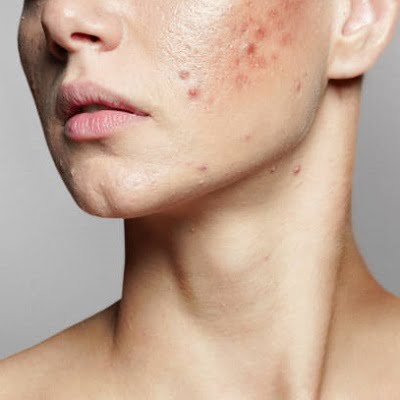
Low facial acne is frequently found on the lower half of the jawline, chin, lower cheeks, and sometimes the neck.
Deep, Painful Cysts:
Hormonal acne tends to be deep, swollen, and tender. Hard under the skin. These acnes take a long time to heal.
Flare-Ups Pre-Menstrual:
When your pimples come a week before your period, then it is probably a hormonal thing.
Oily Skin With Dry Patches:
You might have oily skin in certain parts and dry skin in others. The oil glands are usually confused by hormonal changes.
Adult Acne:
When you find yourself in your 20s, 30s, or 40s and have suddenly developed acne, it is probably due to hormones.
Repeating Acnes:
Hormonal acne returns unless the underlying imbalance is dealt with, even when treated.
What Is Bacterial Acne?
The growth of bacterial acne occurs when the oil, dirt, and dead skin clog the pores. Bacteria reproduce within the blocked pore that resulting in inflammation and pimples. It is typical among adults who have oily or clogged skin.
How to Determine Bacterial Vs. Non-Bacterial Acne?
Here are the typical signs:
Small Whiteheads or Red Pimples:
Bacterial acne normally appears as red bumps, whiteheads, blackheads, and pus-filled pimples. These are superficial as compared to hormonal acne.
Occurs on the Cheeks, Forehead, or Nose:
Bacterial acne is found to be a common problem on the T-zone, cheeks, and chin.
Breakouts After Sweating:
When your acne gets aggravated by sweat, workouts, or tight clothes, then it is most likely bacterial.
Clusters of Small Pimples:
The acne of the bacteria is commonly presented in clusters or spots.
Improve With Good Skincare:
If your acne is sensitive to cleansing, exfoliation, and antibacterial products, then it is probably bacterial.
Key Differences Between Hormonal and Bacterial Acne:
| Features | Hormonal Acne | Bacterial Acne |
| Area | Jawline, chin | Forehead, cheek, nose |
| Type | Deep cyst | Surface pimple, |
| Timing | Before the period stress | After sweating, dirt buildup |
| Pain | Tender, Painful | Mild discomfort |
| Age | Common in Adults | Common at any age |
| Responces | Needs inner balance | Responds to skincare well |
Is It Possible To Have Both Forms of Acne?
Yes. A combination is common among many people. One example, cystic dental acne on the side of the chin (hormonal) in combination with whiteheads on the forehead (bacterial). That then requires a multifaceted approach to treatment. In case of any acne that causes pain or any other time that leaves a scar, professional help will speed up the skin healing process. One of the clinics that offers treatment for acne is the Royal Cosmetic Surgery Clinic in Islamabad, and it is more effective than home treatments.
Book Your Consultation Right Now!
Individual diagnosis and consultation appointments can also be made by people who remain uncertain about whether their acne is a hormonal or a bacterial issue. The aesthetic physician who will see you on this visit will be Dr. Syeda Huma Husnain, who will diagnose you based on what type of acne you have and will prescribe a treatment that will meet your needs to enable you to have a healthier and cleaner face.