
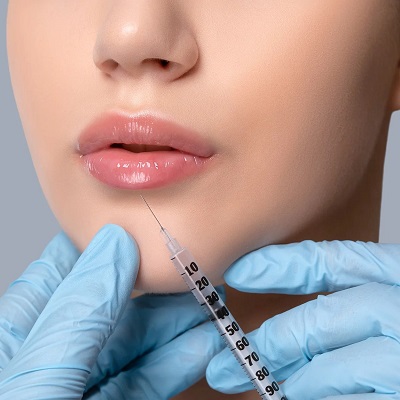
As you age or due to some internal or environmental factors, your skin starts getting saggy, wrinkles and fine lines appear on the skin, and you lose contour. Dermal fillers are gel-based injections that help add volume and fullness, remove sagging and wrinkles, and help contour your body.
Just like any treatment, this too has some side effects, which is why people regarding this treatment ask, “Can you feel sick after fillers?” Read this blog to know the answer and other details.
Understanding Dermal Fillers and Their Effects:
Dermal fillers are gel-based injections consisting of three types: one of which is hyaluronic acid-based, which naturally exists in the body. Upon injection, the material attracts water to that part, resulting in a plump and hydrated area. The second type is Calcium Hydroxylapatite. These are totally gel-based, thick in nature, best for deep lines and volume loss, and the last one is Poly-L-lactic Acid. This is a collagen booster.
Dermal fillers help in adding lost volume and fullness, removing wrinkles and deep lines, and contouring the body parts like cheeks, lips, hands, etc.
| Type of Filler | Main Ingredient | Best For | How Long It Lasts |
| Hyaluronic Acid Fillers | Hyaluronic acid | Lips, cheeks, under-eyes, fine lines | 6 to 18 months |
| Calcium Hydroxylapatite | Calcium-based microspheres | Deeper wrinkles, jawline contouring | 12 to 18 months |
| Poly-L-Lactic Acid | Collagen-stimulating substance | Volume loss, facial hollow areas | Up to 2 years |
Can You Feel Sick After Fillers?
Yes, just like any other medical treatment, this too has some side effects, and when a foreign object enters the body, our natural immune system takes it as a threat, causing some issues until the adjustment period.
Common Side Effects After Filler Injections:
- Infection: Redness, swelling, tenderness, fever, and chills, often appearing several days after the procedure, can signal an infection.
- Allergic Reaction: Symptoms like rash, itching, or difficulty breathing indicate a potential allergic reaction, requiring immediate care.
- Vascular Occlusion: A serious, rare, and painful emergency where the filler blocks a blood vessel, which may cause systemic discomfort.
- Mild Side Effects: Dizziness, fever, fatigue, headache, or nausea can sometimes occur shortly after injections.
Duration of Sickness After Filler:
It has no particular clock time. Overall, you experience nausea, dizziness, and fatigue to the extent of nearly 48 hours. In the majority of cases, the feeling of sickness is the effect of anxiety and anesthesia, which disappears after several hours or one to two days. Once this time is over, if you have remained unwell, then get yourself checked.
Factors That Increase the Risk of Feeling Sick:
| Immune Triggers | Recent flu/COVID-19, vaccines, dental work, and active autoimmune flares. |
| Product Type | Permanent fillers, high LMW-HA content, non-FDA approved products. |
| Technique | Large volumes, superficial injection, poor aseptic technique, and frequent top-ups. |
| Patient Factors | History of allergies, bleeding disorders, sensitive skin, and being “run down.” |
Tips to Reduce Sickness After Filler Treatment:
- Rest and Lie Down.
- Avoid Quick Movements.
- Sip Fluids.
- Manage Anxiety.
- Avoid blood thinners.
- Avoid caffeine and alcohol.
- Avoid strenuous activities that cause sweating and fatigue.
Conclusion:
Feeling sick after getting fillers done is normal as the body takes time to adjust to a foreign object at first, but with time, you get to feel better. It is very important to communicate with your doctor throughout your recovery for a safe journey and result.
Royal Cosmetic Surgery in Islamabad offers the best customized treatment plans for each patient’s health conditions and offer follow ups for complete support.
If you too want to have safe treatment and a comfortable recovery, then visit us. We have Islamabad’s best aesthetic physician, Dr. Mariam Malik. Call us now and book your appointment today.