Skip to content

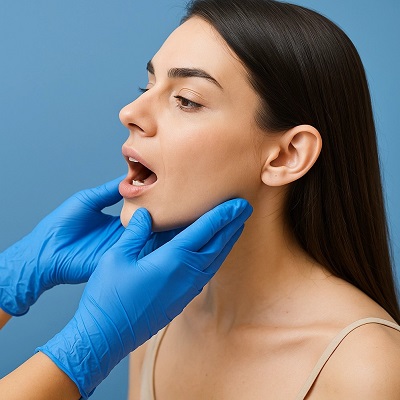
The jaw surgery alters your oral cleaning process during the first few weeks. The treated region is extremely sensitive, and the surgeon suggests relaxing the tissues without stress. Regular brushing may complicate the stitches. But maintaining good oral hygiene remains important since it prevents infection and maintains the cleanliness of the surgical site. So many patients question, “Can I Brush My Teeth After Jaw Surgery?
To answer this question, we have a detailed blog below.
Understanding Oral Care Needs After Jaw Surgery:
The first few weeks of healing from jaw surgery make it difficult to clean your mouth. The area is still tender, and the surgeon does not suggest that the tissues be pressed when they are settling. Normal brushing may be problematic due to swelling, limitation of movement, and marked stitches. Oral hygiene is not yet neglected since it is also used to prevent infection and to keep the surgical site clean.
Can I Brush My Teeth After Jaw Surgery?
Yes, you can. The majority of patients start with light brushing in the initial few days. The trick is not to touch the area of incision and to make sure that the movements are slow and gentle. Your physician might recommend that you just start with the front parts and not in the deep corners as the swelling subsides.
Mouth Rinsing and Alternatives When Brushing Is Painful:
Mouthwash is useful when the brushing process is painful. A dentist can prescribe a saltwater rinse or a medicated mouth rinse. Gently swish without the use of excessive force. Now, in case you cannot open your mouth wide, place the rinse in your mouth, and leave it to drain out. Gauze can also be used to cleanse easily reachable parts wrapped around a finger. These will render the mouth fresh till you are able to resume brushing as usual.
What You Must Avoid During the Early Healing Phase:
Swollen tissues should not be vigorously brushed, as it will disturb the stitches and irritate the tissues. Electric toothbrushes should also be avoided at the initial stages since they produce a powerful movement. Avoid alcoholic mouthwashes, which dry up the tissues and retard healing. Do not point the toothbrush towards the place of the incision. Do not spit hard or form deep suction, as this may work on the healing gums.
How Long Modified Oral Care Usually Lasts:
The majority of patients have a gentle brush routine between two or four weeks. When the swelling dies away and the movement becomes routine, in a gradual manner, you can get back to your regular brushing. Go for follow-up visits with your surgeon, after which he will inform you when it is safe to continue with your usual routine. It takes time to heal, though expectations are that the condition will improve steadily in the first month.
Warning Signs That Need a Surgeon’s Attention:
In case you have sharp pain, bleeding that does not stop, or foul-smelling discharge while brushing, consult your dentist. The other warning signs are swelling, fever, or the inability to open the mouth. These could indicate that the surgical site requires additional attention. Early communication is the key to avoiding complications.
Post-Surgery Oral Care Support at RCS:
Royal Cosmetic Surgery offers post-surgery care and follow-ups for safe recovery. The team not only follows up on you through regular visits but also monitors your method of brushing and rewrites instructions to suit the level of healing. Professional cleaning is also provided in the clinic after you are good, which assists in taking care of the teeth during the healing process.
Conclusion:
Jaw surgery does not mean that you cannot brush your teeth. Surgical area, delicate methods, extensive rinsing, and slow habits preserve the area and help in cleanliness. If you are still in any confusion, you can book your consultation with our expert and highly qualified dentist, Dr. Usama Hayat Ghauri, and get all of your worries answered before undergoing jaw surgery in Islamabad. Call us now and schedule your spot today.