Skip to content

Many people struggle with obesity and weight-related health problems. Diet and exercise alone do not work for everyone. Bariatric surgery in Islamabad helps people lose weight when other methods fail. The best bariatric surgeons in Islamabad recommend this surgery for severe obesity cases. Find out the different procedures for weight loss, their cost, and considerations before bariatric surgery.
What is a bariatric surgery?
Bariatric surgery is also called weight loss surgery. It involves surgical operations to help people with obesity lose weight. The surgery changes your digestive system to control how much food you can eat and absorb.
Weight loss surgery modifies your stomach and sometimes the small intestine. This limits calorie consumption and absorption and also reduces hunger signals from your body.
Doctors recommend “bariatric surgery when other weight loss methods have failed. The surgery is safer than leaving severe obesity untreated.”
What does a bariatric surgeon do?
A bariatric surgeon performs weight loss operations. These doctors have special training in digestive system surgery. Weight loss surgeons help patients choose the right procedure for their condition. Bariatric surgeons also provide follow-up care after surgery. They monitor patient progress and handle any complications.
What kind of conditions does a bariatric surgeon treat?
They mainly treat obesity and obesity-related health problems. The main conditions treated by the bariatric surgeons are:
- High blood pressure (hypertension)
- Type 2 diabetes
- High cholesterol (hyperlipidemia)
- Heart disease
- Sleep apnea
- Fatty liver disease
- Kidney disease
- Arthritis and joint problems
- Class III obesity (BMI 40 or higher)
- Severe obesity with health complications
- Failed attempts at non-surgical weight loss
- Weight regain after previous treatments
What makes you qualify for bariatric surgery?
Weight loss surgery is a complex one, so not everyone can undergo it. To undergo bariatric surgery, you must meet certain requirements:
BMI Requirements:
- BMI of 40 or higher
- BMI of 35 or higher with serious health problems like diabetes or high blood pressure
- For teenagers: BMI of 40 with health problems or BMI of 35 with severe health conditions
Other requirements:
- Age 18 or older (special rules for teenagers)
- Failed attempts at non-surgical weight loss
- Commitment to lifestyle changes
- No serious medical conditions that make surgery unsafe
- No active drug or alcohol addiction
- Mental readiness for surgery and lifestyle changes
The bariatric surgeon will evaluate if you qualify for the surgery during first consultation.
Different types of bariatric surgery:
We do different types of weight loss surgeries. Each procedure works differently and has specific benefit. Which of the surgeries is best for you will be decided by your surgeon based on your health and other conditions:
Gastric bypass (Roux-en-Y)
This is one of the most effective weight loss surgeries. The surgeon creates a small stomach pouch about the size of an egg. The small intestine is then rerouted to connect to this new pouch.
How It Works:
- Creates a tiny stomach that holds only 1-2 ounces of food
- Food bypasses most of the stomach and part of small intestine
- Reduces food intake and nutrient absorption
- Changes gut hormones that control hunger and blood sugar
Benefits:
- Excellent weight loss (60-80% of excess weight)
- Best results for diabetes control
- Reduces hunger significantly
- Long-term success rates are high
Best For:
- People with BMI over 40
- Patients with diabetes or severe health problems
- Those who can commit to lifelong dietary changes
Sleeve gastrectomy (Gastric sleeves)
This is the most common bariatric surgery performed today. The surgeon removes about 80% of the stomach, leaving a banana-shaped sleeve.
How It Works:
- Creates a smaller stomach that holds 3-5 ounces
- Removes the part of stomach that produces hunger hormones
- Food moves normally through digestive system
- No rerouting of intestines
Benefits:
- Simpler surgery with shorter operating time
- No foreign objects placed in body
- Significant weight loss (50-70% of excess weight)
- Reduces hunger hormone production
- Lower complication rate than bypass
Best For:
- First-time weight loss surgery patients
- People who want to avoid intestinal rerouting
- Patients with certain medical conditions that make bypass risky
Gastric Band (Lap-Band)
An adjustable silicone band is placed around the upper part of the stomach. This creates a small pouch above the band.
How It Works:
- Band creates small stomach pouch
- Band can be tightened or loosened by adding or removing saline
- Slows food passage and creates feeling of fullness
- No cutting or stapling of the stomach
Benefits:
- Reversible procedure
- Can be adjusted as needed
- Lower surgical risk
- No vitamin deficiencies
- Shorter hospital stay
Best For:
- People who want reversible option
- Patients who prefer less invasive surgery
- Those willing to make frequent clinic visits
Mini Gastric Bypass (Single Anastomosis Gastric Bypass)
This is a simplified version of traditional gastric bypass. It uses one connection instead of two, making surgery faster.
How It Works:
- Creates small stomach pouch like regular bypass
- Makes single connection to small intestine
- Food bypasses part of stomach and intestine
- Simpler construction than Roux-en-Y bypass
Benefits:
- Shorter surgery time than traditional bypass
- Good weight loss results (60-70% excess weight)
- Effective for diabetes control
- May be easier to revise if needed
Best For:
- Patients suitable for bypass but want shorter surgery
- Those with high surgical risk
- Revision cases from failed previous surgery
Biliopancreatic Diversion with Duodenal Switch (BPD-DS)
This is the most complex bariatric procedure. It combines sleeve gastrectomy with extensive intestinal bypass.
How It Works:
- First creates gastric sleeve
- Then reroutes most of small intestine
- Food and digestive juices mix only in last portion of intestine
- Most dramatic reduction in nutrient absorption
Benefits:
- Highest weight loss (70-80% excess weight loss)
- Most effective for super obese patients (BMI over 50)
- Excellent diabetes control
- Allows larger meal portions than other surgeries
Best For:
- Super obese patients (BMI over 50)
- People who have failed other weight loss surgeries
- Patients who can commit to intensive follow-up care
Endoscopic Sleeve Gastroplasty (ESG)
This procedure reduces stomach size using an endoscope inserted through the mouth. Stitches are placed to create a sleeve-like shape.
How It Works:
- Endoscope inserted through the mouth
- Stitches placed to fold the stomach into a smaller shape
- No external incisions made
- Creates a restriction similar to a gastric sleeve
Benefits:
- No external scars
- Outpatient procedure
- Shorter recovery time
- Less invasive than surgery
Best For:
- People who want a less invasive option
- Patients are not ready for full surgery
- Those with lower BMI ranges
SIPS/SADI-S (Single Anastomosis Duodenao-Illaeal Bypass)
This is a newer modification of the duodenal switch. It aims to reduce complications while maintaining effectiveness.
How It Works:
- Creates the gastric sleeve first
- Makes a single connection to the small intestine
- Bypasses fewer intestines than the full duodenal switch
- Simpler than traditional BPD-DS
Benefits:
- Less malabsorption than full duodenal switch
- Good weight loss results
- Shorter surgery time
- Lower complication rate than BPD-DS
Best For:
- High BMI patients who want less complex surgery than BPD-DS
- Revision cases
- Patients with metabolic problems
Intragastric Balloon:
This is a temporary, non-surgical weight loss procedure. A deflated balloon is placed in the stomach and then filled with saline.
How It Works:
- Balloon placed through the mouth using endoscope
- Takes up space in stomach creating fullness
- No incisions or permanent changes
- Removed after 6 months
Benefits:
- No surgery required
- Reversible procedure
- Lower risk than surgical options
- Can be done as outpatient
Best For:
- People not ready for surgery
- Bridge to surgery for very high risk patients
- Those wanting to test appetite changes
Preparation and post-operative care for bariatric surgery
Preparation:
- Complete physical examination.
- Stop smoking and drinking alcohol.
- Avoid taking medications instructed by the surgeon
- Follow pre-surgery diet if required.
Post-operative care:
- Gradually introduce liquids in your diet.
- Take painkillers for pain management.
- Follow a strict liquid diet initially
- Take prescribed vitamins and supplements
- Attend follow-up appointments
- Avoid heavy lifting and strenuous activities
- Monitor for signs of complications
Cost of bariatric surgery in Islamabad:
Different bariatric procedures have different costs, but they generally range from this to this. The cost of weight loss surgery in Islamabad varies depending on the following factors:
- Type of surgery chosen
- Surgeon’s experience and reputation
- Hospital or clinic facilities
- Length of hospital stay
- Anesthesia and operating room costs
- Post-operative care and follow-up visits
- Complications requiring additional treatment
Best clinic for bariatric surgery in Islamabad:
Royal Cosmetic Surgery is the best clinic for weight loss surgery in Islamabad because we have:
- Best bariatric surgeon in Islamabad: Dr Naveed Azhar
- Experienced and skilled bariatric surgeons
- Modern surgical equipment
- Latest technologies.
- Comprehensive care team
- Good patient reviews and success rates
Transform your health and quality of life with weight loss surgery. Book your consultation now!
FAQs:
Best Bariatric Surgeon in Islamabad
Yes, most types of weight loss surgery create permanent changes to your digestive system. The weight loss results can be maintained long-term with proper lifestyle changes.
Most patients lose 50-70% of their excess weight within 2 years. The amount depends on the type of surgery and your commitment to lifestyle changes.
No. You will need to follow a special diet for life. Portion sizes will be much smaller. You must chew food thoroughly and eat slowly.
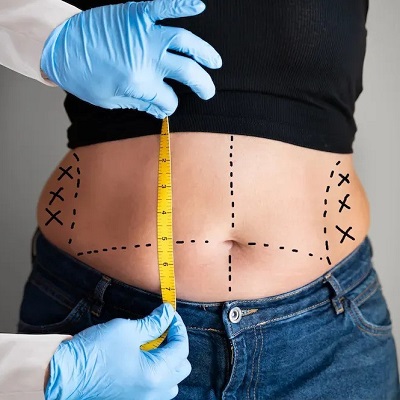
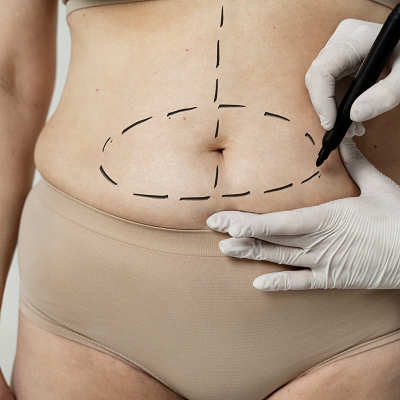
Many patients choose body contouring surgery after significant weight loss. This removes excess skin that may not shrink back.
Some procedures like gastric banding can be reversed. Others like gastric bypass are difficult to reverse. Sleeve gastrectomy cannot be reversed.
Some patients may need revision surgery or additional procedures. This depends on various factors that your surgeon will evaluate.
Yes, but you should wait at least 12-18 months after surgery. Weight loss surgery can improve fertility in women with obesity.
Choose a surgeon who practices at a hospital with 24-hour emergency care. Make sure you understand the plan for handling complications.
Yes, most bariatric surgery patients need lifelong vitamin and mineral supplements to prevent nutritional deficiencies.