Skip to content


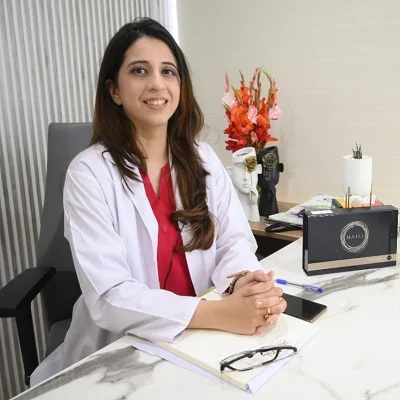
✅Medically Reviewed by Dr. Adil Shafi -Best Laparoscopic Surgeon:
Dr. Adil Shafi reviewed this article for medical correctness and clarity. He has over 10 years of surgical experience and practices at Royal Cosmetic Surgery Clinic, Islamabad.
His qualifications include MBBS from Liaquat University of Medical and Health Sciences, MS in General Surgery from Rawalpindi Medical University, MRCPS Glasgow, and a Certificate in Minimal Invasive Surgery from the University of Faisalabad. His practice includes laparoscopic treatment of gallbladder stones, appendicitis, hernias, varicocele, rectal prolapse, ovarian cysts, and uterine fibroids, alongside diagnostic laparoscopy
Surgery can be intimidating. The thought of large incisions, long hospital stays, and weeks of recovery is enough to make anyone anxious. For years, patients struggling with stubborn, life-threatening conditions like hernia, gallstones, ovarian cysts, abdominal and colon conditions, and obesity had no choice but to undergo traditional, aggressive open surgical procedures for body contouring and metabolic resets. But aesthetic medicine has advanced, and today, there is a better way to reclaim your health and confidence.
This comprehensive guide covers everything you need to know about keyhole aesthetic procedures, including the specific key surgeries performed by imported laparoscopic tower, and why Royal Cosmetic Surgery is the best clinic for laparoscopic surgery in Islamabad.
What is laparoscopic surgery?
Laparoscopic surgery, also known as keyhole surgery or minimally invasive surgery, has completely revolutionized the way advanced weight-loss procedures are performed. Instead of one massive, painful cut that leaves behind wide, unsightly scars, highly trained cosmetic specialists make several small incisions, each measuring only about 0.5 to 1.5 centimeters long. A tiny camera called a laparoscope is gently inserted through one incision, and specialized, micro-sized instruments are passed through the others. The surgeon watches a high-definition monitor and operates with extreme precision
About Our Laparoscopic Tower:

Our clinic uses an advanced laparoscopic tower imported from Germany. This high-definition system includes a camera, light source, monitor, and specialized instruments. It allows our laparoscopic surgeon to perform precise minimally invasive surgery with excellent visibility. The tower ensures safer abdominal surgery with better outcomes for patients.
Conditions treated by laparoscopic surgery:
Gallstones:
Gallstones are hard deposits that form in your gallbladder. They can cause severe pain, nausea, and digestive problems. Minimally invasive surgery is used to remove them. A laparoscopic surgeon performs this through small incisions using keyhole surgery techniques.
Gallbladder Removal:
This procedure is called laparoscopic cholecystectomy. It involves removing the entire gallbladder through small cuts in the belly. It is the most common treatment for gallstones and gallbladder disease. Recovery is much faster than traditional open surgery.
Obesity:
Minimally invasive surgery can help with weight loss in obese patients. Laparoscopic surgeon performs procedures like gastric bypass or sleeve gastrectomy. These keyhole surgery techniques reduce stomach size and help patients lose weight. Recovery is quicker with less scarring.
Hernia Repair:
A hernia happens when an organ pushes through a weak spot in the muscle wall. Minimally invasive surgery repairs this by pushing the organ back and strengthening the weak area. A laparoscopic surgeon uses keyhole surgery for faster recovery. Patients experience less pain and can return to normal activities sooner.
Appendix surgery:
This procedure is called an appendectomy. It removes the appendix when it becomes infected or inflamed. A laparoscopic surgeon performs this through small incisions using keyhole surgery. Recovery is quick and patients usually go home within a day or two.
Diagnostic laparoscopy:
This is a procedure where a laparoscopic surgeon uses a tiny camera to look inside your belly. It helps find the cause of pain, infection, or other problems. This minimally invasive surgery avoids large cuts and allows doctors to see clearly inside. Patients recover quickly with less discomfort.
Colorectal surgery:
This surgery treats problems in the colon, rectum, and anus. A laparoscopic surgeon uses keyhole surgery to remove diseased parts or repair damage. This minimally invasive surgery means less pain and quicker healing. Patients recover faster and have better outcomes.
Abdominal procedures:
Many abdominal procedures are now done using laparoscopic surgeon techniques. This includes gallbladder removal, hernia repair, and appendectomy. Keyhole surgery allows doctors to treat many belly problems without large cuts. Recovery is faster and patients have less pain.
Ovarian cysts:
Ovarian cysts are fluid-filled sacs that form on the ovaries. A laparoscopic surgeon can remove them using keyhole surgery. This minimally invasive surgery preserves healthy tissue and reduces recovery time. Most patients go home the same day.
Laparoscopic surgery vs General surgery:
| Laparoscopic Surgery | Open Surgery |
| Small incisions | Large incision |
| Faster recovery | Longer recovery |
| Less pain | More pain |
| Minimal blood loss | More blood loss |
| Smaller scars | Larger scars |
Benefits of laparoscopic surgery performed by laparoscopic tower:
Aesthetic patients and surgeons alike highly prefer laparoscopic surgery over old-fashioned open procedures for several important reasons.
Less Pain After Surgery
Traditional open surgery requires a large incision that cuts completely through layers of abdominal muscles and tissues. This causes significant post-operative pain that requires heavy, sedating medications. Laparoscopic surgery uses small incisions of only 0.5 to 1.5 centimeters. These tiny cuts cause much less tissue damage, which means significantly less pain after surgery. Patients need fewer heavy medications and recover much more comfortably.
Faster Recovery and Return to Normal Life
The smaller incisions in laparoscopic surgery allow patients to heal much faster. Most patients return to desk work within one to two weeks after laparoscopic surgery. Traditional open surgery often requires four to six weeks of recovery. This faster recovery means less time away from family, work, and your new fitness routines.
Smaller Incisions and Minimal Scarring
The incisions used in laparoscopic surgery are so small that they often fade to near invisibility over time. Traditional open surgery leaves a large, thick scar that can be several inches long and hard to hide. Laparoscopic scars are barely noticeable once healed, preserving the aesthetic appearance of your abdominal skin.
Reduced Hospital Stay
Many laparoscopic weight-loss procedures allow patients to go home after just one or two nights in our luxury clinical facility. Traditional open surgery often requires three to five days of hospital stay. Shorter stays mean less exposure to hospital-acquired issues and lower overall healthcare costs.
Lower Risk of Complications
The smaller incisions in laparoscopic surgery mean less exposure of internal tissues to the outside environment. This reduces the risk of surgical site infections. The magnified view provided by the laparoscopic camera allows surgeons to operate with greater precision, reducing the risk of damage to surrounding organs and ensuring a smoother laparoscopy stitches healing time.
Procedures Performed by our latest Imported Laparoscopic Tower
Royal Cosmetic Surgery Islamabad has invested in an advanced laparoscopic tower that can perform multiple types of aesthetic and weight-reduction surgeries. Here are the key procedures offered:
1. Laparoscopic Sleeve Gastrectomy (Sleeve Surgery)
Laparoscopic sleeve gastrectomy helps patients with severe obesity lose significant weight safely and permanently. During this procedure, the surgeon removes approximately 75 to 80 percent of the stomach, reshaping the remaining portion into a slender tube or “sleeve”. This drastically limits food intake and reduces the production of hunger-inducing hormones, making it easier to maintain long-term portion control.
2. Laparoscopic Gastric Bypass
Gastric bypass is an excellent option for patients who require extreme weight loss and metabolic balance. The surgeon creates a small pouch at the top of the stomach and connects it directly to the small intestine. This bypasses a portion of the digestive tract, reducing both the amount of food you can hold and the calories your body absorbs.
3. Post-Weight Loss Preparation and Mapping
Before undergoing later aesthetic procedures like a tummy tuck or body lift, patients must achieve a stable target weight. Our advanced laparoscopic tower is used to check internal tissue spacing and safely track metabolic health, ensuring that your body is fully prepared for future skin-tightening cosmetic procedures.
The Laparoscopy Procedure Step by Step
Before Surgery
Your journey begins with an in-depth consultation with Dr. Adil Shafi. He will review your medical history, evaluate your body goals, and order necessary diagnostic tests like blood work or an ultrasound. He will explain the procedure in detail, answer your questions, and discuss the risks and benefits. You will receive instructions on how to prepare, which includes fasting after midnight, stopping certain medications, and arranging for a companion to assist you post-surgery.
During Surgery: The Laparoscopy Procedure Step by Step
To help you understand the clinical environment, our surgical team breaks down the standard clinical tracking sequence for a laparoscopy procedure step by step below:
- Anesthesia: You will receive general anesthesia, so you will be completely asleep and feel no pain.
- The Initial Incision: The surgeon makes a tiny 0.5-centimeter cut near the belly button.
- Insufflation: Carbon dioxide gas is gently pumped into your abdomen to lift the abdominal wall and create a clear space for the surgeon to see and work.
- Inserting the Laparoscope: The high-definition camera is inserted to display a magnified view of your internal structures on the surgical monitor.
- Operating through Keyholes: The surgeon makes 2 to 3 more tiny incisions to pass specialized instruments through, completing your sleeve or bypass with absolute precision.
- Closure: The instruments are removed, the gas is safely released, and the tiny incisions are closed with dissolvable stitches or top-tier surgical glue.
After Surgery
You will be moved to the recovery room, where our medical staff will monitor your vital signs. Most weight-loss patients go home after one or two nights in the clinic. You will have some mild soreness around the incisions, which is normal and easily managed with prescribed pain medication. You may also experience temporary shoulder discomfort for a day or two, which is simply caused by the carbon dioxide gas used during surgery and goes away naturally on its own.
Price Of Laparoscopic Surgery in Islamabad
While the average laparoscopy price in Pakistan starts from 600,000 PKR, and can vary significantly depending on the clinic location and technological setup, Royal Cosmetic Surgery offers structured payment consultations to ensure transparent pricing with zero surprise changes.
| Procedure | Price Range (PKR) |
| Laparoscopic Sleeve Gastrectomy | 600,000 |
| Laparoscopic Gastric Bypass | 600,000 |
Factors affecting the cost of Laparoscopic surgery Islamabad
| Factor | Impact on the Total Price |
| Type of Procedure | A standard gastric sleeve generally costs less than a complex gastric bypass. |
| Complexity of Your Case | Patients requiring advanced metabolic tracking may need more operative time. |
| Hospital Fees | The duration of your stay in our sterile recovery rooms affects the total cost. |
Best Laparoscopic surgeon in Islamabad
At Royal Cosmetic Surgery, all advanced laparoscopic weight-loss procedures are directed by Dr. Adil Shafi, a highly skilled and trusted specialist with over 10 years of experience in minimally invasive and bariatric surgery.
Dr. Adil Shafi holds an MBBS, MS in General Surgery, and an MRCPS from Glasgow, UK. He is highly recognized across Pakistan for his surgical precision, patient-first approach, and exceptional commitment to clinical safety. Patients appreciate his calm demeanor, direct advice, and ability to explain complex medical paths in simple, reassuring terms.
Why Choose Royal Cosmetic Surgery?
- Advanced Laparoscopic Tower: We utilize high-definition imaging systems and advanced energy devices to minimize bleeding and optimize your cosmetic results.
- Expert Surgeon: Dr. Adil Shafi’s extensive international training ensures you receive world-class care right here in Islamabad.
- Patient-Centered Approach: From your first consultation to your final check-up, your weight-loss journey is customized for your safety and comfort.
- Clean, Sterile Environment: Our operating theaters follow strict international hygiene protocols to prevent infections.
Frequently Asked Questions
Laparoscopic Surgery FAQs
It is a minimally invasive technique that uses tiny incisions, a camera, and micro-instruments to perform internal weight-loss adjustments with minimal down-time.
Yes. When performed by a qualified specialist like Dr. Adil Shafi, it is a highly secure and reliable procedure with a very low risk of complications.
The surgery typically takes 1 to 3 hours, depending on your specific body structure and bariatric goals.
No. The incisions are very small (0.5 to 1.5 cm) and fade significantly over time, leaving your skin looking smooth and natural.
Most patients return to light desk work within 1 to 2 weeks, while full muscle healing takes about 4 to 6 weeks.
Call Royal Cosmetic Surgery Islamabad directly at +92-332-5488777.