Skip to content


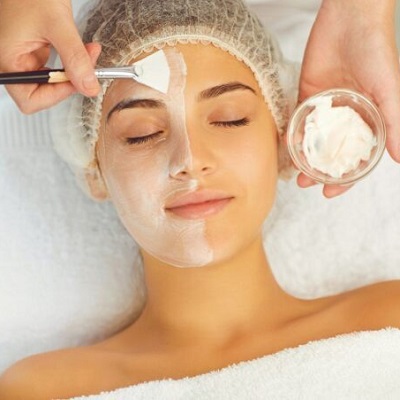
The skin has a natural way of regenerating itself every 28-30 days. This is called ‘cell turnover’ and decreases as we grow older. A chemical peel speeds up this process by peeling away cells on the surface, which tells your skin to create new cells and collagen.
Since this cycle occurs about once a month, a light or superficial peel may be easily scheduled to coincide with this natural cycle. But more thorough treatments need a great deal of downtime so that the skin can regenerate its defences.
How Often Should You Peel in a Month?
The depth of peel determines how often you should be treated. The following is a summary of the average timeframes that have been suggested by the experts, such as Dr Syeda Huma.
1. Superficial or Light Peels (Monthly is acceptable):
They are mild acids such as alpha-hydroxy acids (AHAs) or beta-hydroxy acids (BHAs). They do not penetrate beneath the skin (the epidermis). They are usually safe to do every 3-4 weeks. They work well in keeping a glow, in treating small spots of acne, or in reviving dulled skin.
2. Deep Peels (Every 4 to 6 Months):
These extend to the top of the middle layer of skin (the dermis). They typically contain trichloroacetic acid (TCA) and lead to visible peeling or flaking for a few days. You are not to have these once a month. Between sessions, your skin requires a lot of time to repair and build up.
3. Deep Peels (Once in a Lifetime):
These are harsh treatments that enter the deepest layers of the skin. They require a very long healing process and are normally used on deep wrinkles or serious scarring. These are never done monthly; once or twice yearly or once in a lifetime is the norm.
Comparison Table of Chemical Peels:
| Peel Type | Penetration Depth | Safe Frequency | Best For |
| Light/Lunchtime | Epidermis | Every 4 Weeks | Acne & Brightening |
| Medium (TCA) | Upper Dermis | Every 4–6 Months | Pigmentation & Fine Lines |
| Deep (Phenol) | Lower Dermis | Once (Rarely Repeated) | Severe Wrinkles & Scars |
| Enzyme Peels | Surface Only | Every 1–2 Weeks | Sensitive Skin Glow |
Why Choose Royal Cosmetic Surgery Clinic for Chemical Peels?
Royal Cosmetic Surgery Clinic Islamabad, we are keen on the fact that the calendar date is not important, but that your skin is ready to undergo another peel. In case your skin is still red, peeling, or sensitive as a result of the last month, you have to wait. By leaving it to a professional, you know you will be examined on whether your skin is healthy or not before acid is applied.
The Dangers of Over-peeling:
Bigger is not necessarily better. When attempting to impose a monthly regime with an excessively strong peel, you might notice:
- Heightened Sensitivity: Your skin can be sensitive to simple moisturisers or even sunlight.
- Breakouts: Exfoliating too much may leave the skin without natural oils, resulting in an overproduction of sebum and resulting in rebound acne.
- Thinning Skin: With continued irritation, the skin may lose its structural integrity with time.
During Peels How to Support Your Skin:
When you make the choice of a monthly light peel, it is the aftercare routine that will really make the difference in your outcome.
- Wearing sun protection is required: New skin is extremely vulnerable to UV damage. Wear SPF 50 daily.
- Hydrate and Repair: Ceramides and hyaluronic acid can be used to restore the skin barrier.
- Avoid Other Actives: Do not use retinol or strong vitamin C serums a few days before and after peeling.
Final Thoughts!
Are you able to have a chemical peel every month? Should you be going with a light, shallow procedure to maintain your pores clear and your skin bright, then yes, monthly appointments can be a lifesaver. But when it comes to more serious skin issues, time is your friend.