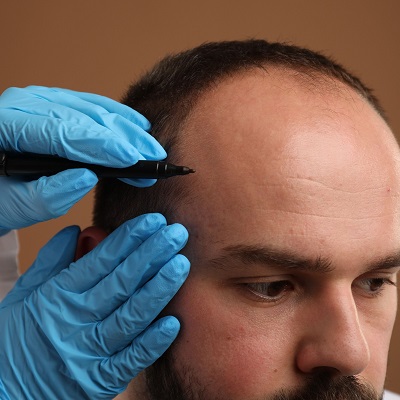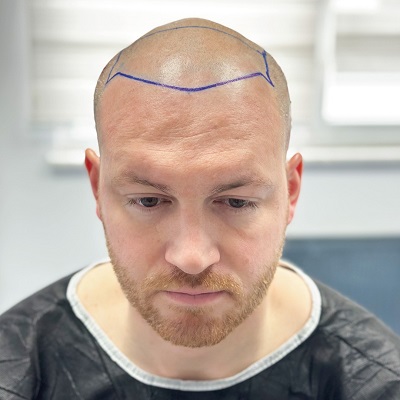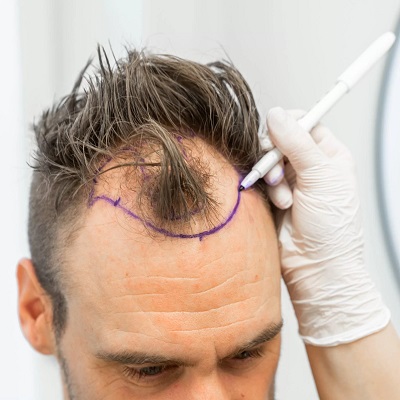
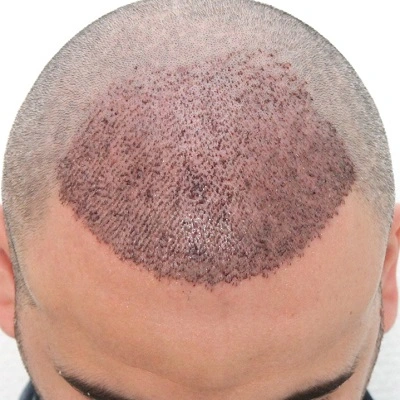
Completing a surgical procedure with a graft, be it hair restoration, skin reconstruction, or dental implants, is a major investment in both health and appearance. Of course, the most immediate issue for patients is safety: When does a graft stabilize?
It is important to understand the biological clock of integrating tissues to achieve a successful outcome. You can get graft failure if you move too rapidly or neglect the care that should be taken after the operation. This guide will deconstruct the stabilization stages and offer professional opinions, so that on the other side of recovery, your recovery is smooth.
The Biological Stages of Graft Integration:
To find the answer to the question, which is a graft stable? We have to look at the way in which the body heals. Stabilization is not one but three biological stages:
- Imbibition (0-48 Hours): The graft imbibes nutrients of the surrounding fluid. It is not yet stuck on, and it is very susceptible.
- Inosculation (Days 3-7): Little blood vessels of the recipient site start to fit and bond with the vessels within the graft.
- Revascularization (Day 7+): New blood flow is developed. This forms the basis of stability forever.
Professional Advice at Royal Cosmetic Surgery Clinic, Islamabad:
Dr. Naveed Azhar, is one of the most prominent professionals in the field of regenerative and reconstructive treatments, is quoted as saying that the success of a graft is 50/50, and it is 50% of the surgical execution and 50% of the patient following the stabilization schedule.
Patients often underestimate the first 72 hours, according to specialists in Islamabad. Whether it is a follicle or a piece of bone, the graft is essentially ‘floating’ until the first microscopic blood vessels bridge the gap. Precision in the initial placement is what sets the stage for total stabilization.
Comparative Overview for Stabilization Timelines:
Depending on the tissue type, the answer to “When does a graft stabilize?” varies. Bone is much denser and slower to heal than skin or hair follicles.
| Graft Type | Initial Attachment | Permanent Stability | Full Maturation |
| Hair Grafts | 3–5 Days | 10–14 Days | 12 Months (Growth) |
| Skin Grafts | 7 Days | 4–6 Weeks | 1 Year |
| Dental Bone Grafts | 2 Weeks | 3–6 Months | 9 Months |
| Fat Grafts | 1 Week | 3 Months | 6 Months |
Signs That a Graft Has Successfully Stabilized:
When do you know when you are out of the danger zone? Although this will be confirmed by your surgeon when you visit the office again, several clinical signs show that a graft has stabilized:
- Color Changes: When skin grafts, the presence of pinkish color is an sign that blood flow (revascularization) has been reinstated.
- Healing: The graft does not shift or slide anymore with the movement of the skin around it.
- Less Swelling: The inflammatory reaction in the area yields to the help of the new tissue in the body.
- Sensation: Sometimes the restoration of mild sensation or the sensation of tingling may be evidence that nerve endings are starting to communicate with the new tissue (however, more slowly).
- Secure Scabbing: When the scabs fall off the hair transplant naturally on the 10th day, it is an indication that the anchor is secure.
Factors That Affect the Healing Process:
Several variables can speed up or slow down the answer to when does a graft stabilize?
- Blood Supply of the Recipient Site: It takes much longer to stabilize areas with high vascularity (such as the face and scalp) than those with low vascularity (such as the shins or feet).
- Patient Age and Health: Faster integration is usually observed in younger patients who have a good circulatory system.
- Nicotine Avoidance: The major cause of graft necrosis is smoking. It deprives the new tissue of oxygen during the inosculation that is critical.
Understand When a Graft Stabilizes:
In short, when do you want to know? When does a graft stabilize? The safest time to do most soft-tissue grafts is 10 14 days, and for bone-based grafts, it may take 3-6 months to pull it off. Securing the site within these windows is the difference between a successful transformation and an unsuccessful procedure. With the help of the professional guidelines, you will be able to go through the process of recovery rather confidently and without anxiety.
Ready for a Transformation?
Don’t leave your results to chance. Ensure your procedure is handled by the best in the field. Book your consultation at Royal Cosmetic Surgery Clinic Islamabad today and talk to our specialist team about your goals.