Skip to content

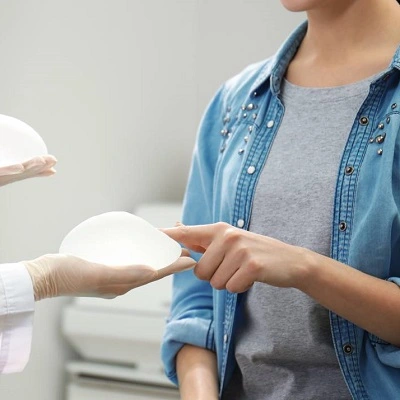
Undergoing a Breast augmentation is an exciting step towards getting the perfect figure, but the post-surgery period may present some surprising questions and worries. One of the most common concerns patients have is whether seeing blood or experiencing “bleeding” is a normal part of the process.
Whereas certain physical changes are a normal course of healing, other forms of bleeding may be indicative of a complication. In this guide, we are going to deconstruct what is considered normal, what is a red flag, and how you can make sure your recovery is safe.
What is considered “Normal” Bleeding?
After surgery, your body starts a complicated process of healing immediately after the surgery. One has to differentiate between milder spotting and active hemorrhaging.
Minor Incision Oozing:
During the first 24-48 hours, it is perfectly common to find some small amount of thin pinkish-colored fluid on your surgical bandages or some spots of blood. This is generally only a leftover fluid of the surgery, and it usually subsides soon.
Bruising and Discoloration:
Technically, a bruise is a kind of internal bleeding in which small capillaries have burst into the tissue surrounding it. A lot of bruising can be anticipated, which fluctuates in color, between deep purple and blue to green and yellow during the initial two weeks.
Slight Staining:
If you have surgical drains, you may notice blood-tinged fluid collecting in the bulbs. This is the body’s way of clearing out excess fluid so it doesn’t pool inside.
When Bleeding Becomes an Issue: The Hematoma:
Although minor spotting is normal, bleeding in the clinical context can usually mean a hematoma. A hematoma is the accumulation of blood in the area surrounding the implant of the breast. In approximately 1% to 3% of breast augmentation cases, this has been found to occur.
A hematoma is generally not life-threatening, but it must be taken to the doctor immediately to save your ultimate cosmetic outcome. Failure to drain off the blood may result in more pain, increased risk of infection, and an increased probability of capsular contracture (the hardening of the scar tissue around the implant).
Signs of Hematoma (The Red Flags):
If you notice any of the following, call your surgical team to your attention:
- Sudden, Massive Swelling: When one of the breasts suddenly seems large (in some cases 2-3 times bigger than the other) in the course of a very short time.
- Major Asymmetry: Although local disparate growth is expected as the wound heals, a drastic appearance of shape or tightness on one side is a key indicator of bleeding indoors.
- Intense, Throbbing Pain: Pain that cannot be controlled by your prescribed medicine or that suddenly flares on one side.
- Hardness: The breast that is affected turns out to be very stiff or tense when touched as compared to the other side.
- Visible Hematoma: Localized skin discoloration Dark, and appears as a deep, painful lump, as opposed to a disseminated bruise.
Comparison of Recovery Symptoms:
| Symptom | Normal Recovery | Potential Hematoma |
| Swelling | Moderate, affects both sides | Sudden, dramatic, one-sided |
| Pain | Achy, manageable with meds | Sharp, throbbing, worsening |
| Skin Color | Spread out, fading bruises | Localized, dark purple “lump.” |
| Symmetry | Slight variations | Obvious “one breast is huge” look |
Expert Care in Islamabad:
When choosing where to have your procedure, the expertise of your surgeon is the single most important factor in minimizing these risks. The patients in the Royal Cosmetic Surgery Clinic, Islamabad, are attended to with utmost care with the aim of giving priority to safety and precision.
More experienced surgeons, such as Dr. Tehmina Rehman, apply modern surgical practices that help achieve proper hemostasis (blood stopping) in the course of the procedure and, therefore, the risk of hematomas post-surgery becomes minimal.
How to Prevent Post-Op Bleeding?
Though not everything will be in your control, you can contribute to your safety hugely by following these rules of recovery:
- No Blood Thinners: Aspirin, ibuprofen, and some herbal products (such as Ginkgo Biloba or Vitamin E) are considered risky before and after surgery, so avoid taking them at least two weeks prior to surgery and at least two weeks after surgery.
- Limit Movement: I do not lift heavy materials or engage in intensive upper-body-type activities within 4 to 6 weeks. A momentary increase in blood pressure may lead to a small vessel bursting open and bleeding.
- Wear Your Compression Bra: This constant, low pressure of a post-surgical bra assists in maintaining the tissues and avoids the accumulation of fluid.
- No Smoking: Nicotine narrows blood vessels and seriously hampers the healing of the wounds, which increases the chances of complications.
The Bottom Line:
Is post-breast augmentation bleeding normal? Light spotting and bruising are tolerable; deep and active bleeding or acute internal swelling is not. The hematomae are the majority of complications, and they develop during the first 48 to 72 hours, but they may sometimes occur up to three weeks. By being attentive and selecting a safe clinic, you will be able to pursue your recovery without any problems and enjoy the beautiful outcome you have.