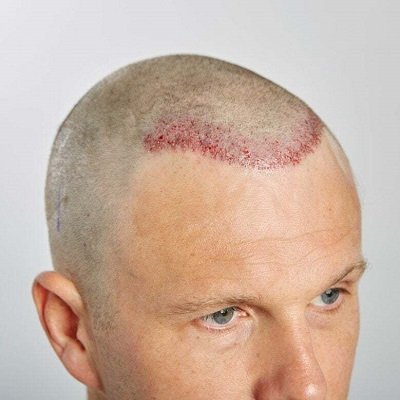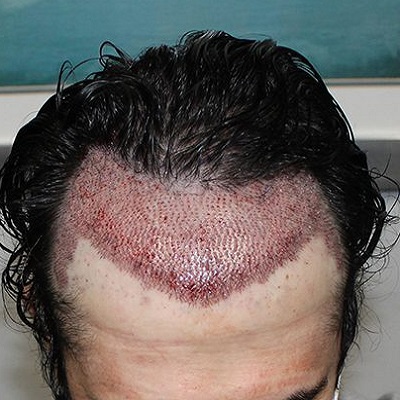
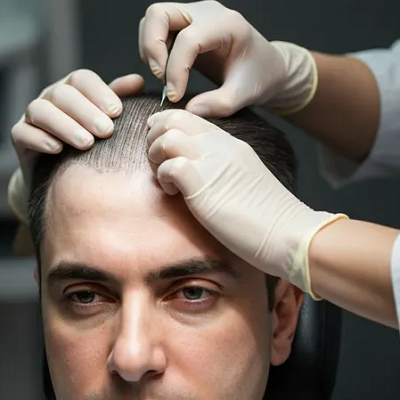
Hair loss does not stop at a certain age. For many people, the thinning hair or bald spots are more pronounced after the age of 50. This usually creates a critical question, which can a hair transplant have good results later in life? The short answer is yes. Age is no barrier with the right method to getting a successful hair transplant. Current processes are more concerned with the quality of hair, the good health of the scalp, and planning than with the number written on a birth certificate.
Understand Hair Loss Pattern After 50s
After the 50s, hair loss becomes more stable than in the earlier years. By this point, most individuals are already in a pattern, and this actually allows surgeons to be more organized in their planning. This stability makes the success rate of hair transplant after the age of 50 very promising when considered from the right perspective. Typical features are:
- Predictable bald areas
- Strong donor hair at the back and sides.
- Reduced the rate at which hair is thinning.
Age Vs Hair Transplant Candidacy
Age alone does not decide whether someone is suitable. Before prescribing surgery, there are a number of factors that are considered significant by the surgeons. Even later in life, an individual with good donor hair can have excellent results if healthy. This makes hair plantation among adults a viable option but not a risky decision. Key considerations include:
- Overall scalp condition
- Density and strength of donor hair.
- Medical history
- Lifestyle habits
Surgical Hair Transplant Effective Options
Choosing the right method depends on the quality of donor hair, the condition of the scalp, and the results required. The following are the most popular and effective hair transplant choices one can have today.
Follicular Unit Extraction (FUE)
One of the most popular methods of hair transplant in the world is FUE. The hair follicles are picked one by one right off the area that is donor and inserted in the thinning or balding areas. It is a better choice since it does not produce any linear scar, takes a shorter period of time to recover, and gives a natural appearance of hair transplantation. It is appropriate in mild and advanced cases of hair loss and suitable for those individuals who prefer wearing short hairstyles.
Follicular Unit Transplantation (FUT)
FUT, commonly referred to as the strip method, is used when removal of a thin strip of scalp within the area of donation. The hair follicles are then torn off and replanted in the recipient area. The method works well with patients who require a high number of grafts during the same session. Despite leaving a linear scar, it has a high graft survival and is an effective method to restore the hair in case of massive hair loss.
Sapphire FUE Hair Transplant
Sapphire FUE is a new type of conventional FUE. It employs sapphire blades rather than steel to make exact incisions. This is an option where there is denser implantation, less trauma, and the implantation is quick. It provides patients with better comfort and easier results, which is the reason why many of them prefer this type of hair transplant.
DHI (Direct Hair Implantation)
DHI involves a special needle-like device that removes and places the follicles at the same time. It has improved control of angle, depth, and direction, thus improving density and precision. DHI has been suggested to be used in the restoration of hairlines, beard transplants, and places where a detailed touch is needed.
Body Hair Transplant (BHT)
When hair is short on the scalp, it may be obtained elsewhere on the body, like the chest or beard. Body hair transplant is normally introduced as an adjunct and performs well when combined with hair on the head to create more coverage.
Non-Surgical Hair Restoration Procedures
Non-surgical means of controlling hair loss are available to people who are not prepared to have surgery. These are PRP therapy and Exosome therapy. They do not substitute the transplanted hair, but they may facilitate the current ones and enhance the overall health of the hair.
Why Things Are More Natural After 50?
One advantage of undergoing a hair transplant at a mature age is realism. The expectations are normally more natural, and hairline designs are to be done keeping in mind the age and features of the face. These are some of the reasons why they provide a natural appearance of hair transplantation that will age naturally. Benefits include:
- Softer, age-appropriate hairlines
- Placing density instead of crowding.
- Blends naturally with natural grey or thinning hair.
Recovery and Healing After 50s
- Mild swelling for a few days
- Shedding of scabs in less than two weeks.
- Noticeable increase in 3 or 4 months.
Talk With an Expert First!
Consult a specialist to know about your hair loss, discuss the most appropriate methods of transplanting, have reasonable expectations, and be personally advised on achieving safe, natural-looking, and long-lasting outcomes.