Skip to content

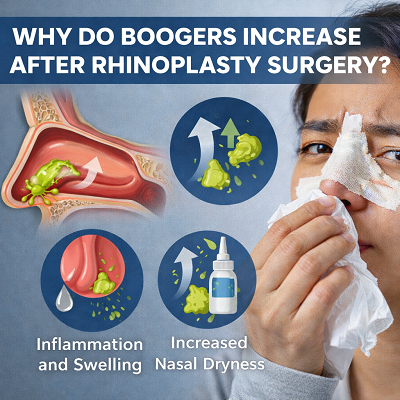
A rhinoplasty changes the appearance of your face, but the healing process comes with unexpected difficulties. Many patients after nose reshaping would find a surprise of more boogers than normal. This can be distressing and even alarming, but this is a normal process in the healing time. Understanding why this happens can make recovery easier and help protect surgical results.
About Rhinoplasty Surgery:
Rhinoplasty surgery, known as a nose job, is a form of cosmetic and functional surgery that reshapes the nose and enhances the balance in the face. It can sharpen the size of the nose, bridge, tip, or nostrils, and also correct structural problems that affect breathing. The nose is positioned in the middle of the face, therefore, slight changes can result in a natural and balanced look.
This process is in high demand. Surgeons consider the proportions of the face, the skin type, nasal structure to plan changes that suit each patient. Rhinoplasty may be performed for aesthetic reasons, medical concerns such as a septum, or a combination of both.
Understanding Post-Rhinoplasty Nasal Changes:
Surgical procedure for the normal functioning of the nose. Inflammation, an increase in blood flow, and an increase in mucus are the body’s responses to tissue trauma. Such reactions protect the healing phase and remove cellular waste, ensuring that it avoids infection. Nasal mucosa experiences significant trauma during rhinoplasty procedures. Surgeons reconstruct bone and cartilage, which ruptures adjacent soft tissues and blood vessels.
What is Happening Inside the Nose?
| Healing Change | Effect on Boogers |
| Swelling of Tissue | Slows Mucus Movement. |
| Reduced Airflow | Causes Mucus to Dry. |
| Cell Regeneration | Adds Waste to Mucus. |
| Temporary Dryness | Forms Thicker Crusts. |
Medical Reasons for Increased Boogers Formation:
Inflammatory Reaction and Oedema/Swelling:
The inflammation of tissues is the primary cause of nasal discharge. Edema causes constriction of the airway passages, which makes them unable to drain the mucus normally. The trapped secretions make and dry, and create crusty deposits, which patients commonly term as boogers.
Blood Vessel Disruption:
Surgical manipulation ruptures small capillaries all over the structures of the nose. These vessels are leaking small quantities of blood, which are mixed with normal mucus. As blood oxidizes and dries, it forms brown or yellow crusty formations that stick to the healing tissues.
Mucus Gland Hyperactivity:
The production of the goblet cells and submucosal glands is stimulated by trauma. This mucus has protective purposes, but forms an uncomfortable accumulation when it is combined with the drainage.
Phase of Booger Production After Nose Job:
| Recover Phase | Discharge Characteristics | Expected Duration |
| Day 1 to 7 | Heavy blood-tinged mucus, thick yellow crusts | Most Severe Period |
| Week 2 to 3 | Brown crusty formations, moderate discharge | High Production Continuous |
| Week 4 to 6 | Lighter colored mucus, decreased volume | Gradual Improvement |
| Ongoing Week 7 to 12 | Near-normal clear secretions | Resolution Phase |
How to Reduce Boogers Safely?
The most important thing is the support of moisture and airflow. These are the steps that are usually suggested.
- Use a saline spray to soften crusts.
- Run a humidifier at night.
- Drinking water to keep hydrated.
- Follow the instructions of the surgeon carefully.
- Avoid smoking and dusty environments.
When to Be Concerned and Meet With a Surgeon?
In the majority of cases, the presence of more boogers is not dangerous. However, you are advised to consult with cosmetic and plastic surgeon Dr Naveed Azhar when the symptoms suddenly change.
Warning signs include:
- Foul-smelling discharge.
- Severe pain inside the nose.
- Fever or increasing redness.
- Thick yellow or green mucus.
When Does It Improve With a Certified Clinic:
At Royal Cosmetic Surgery Clinic Islamabad, under proper care, the majority of patients experience peak boogers during the initial 1st week. With swelling decrease and the nose adjusting, respiration becomes easier, and the mucus production will become normal. At the end of the early recovery schedule, the nose is meant to come.
Last Words!
An increase in boogers after nose surgery is a normal response to internal healing, dryness, and temporary airflow changes. Through proper treatment and time, the nose eventually goes back to the way it is supposed to be. Knowledge in this stage will lead to less anxiety and promote successful recovery.