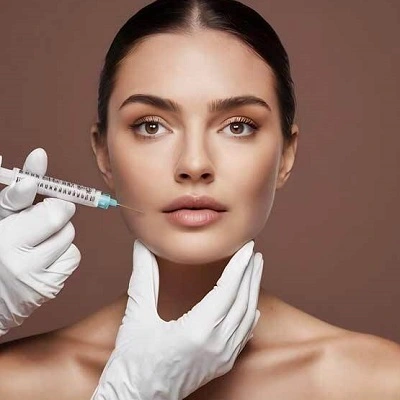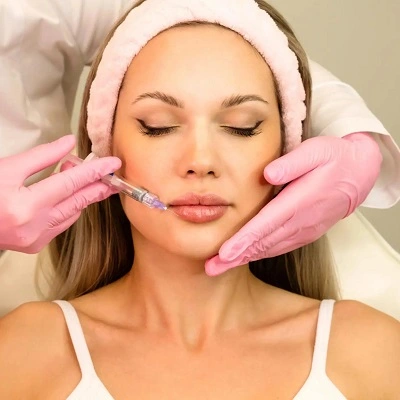
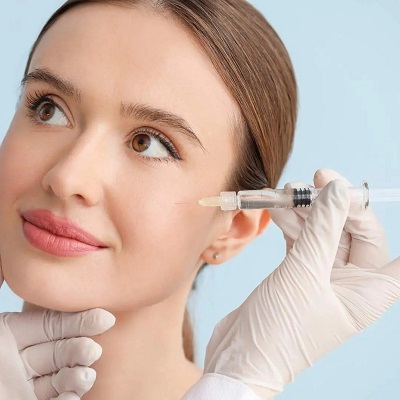
Facial fillers are effective due to the fact that they provide volume underneath the skin to fill lines, add shape, and minimize visible aging. The filler material after injection undergoes a period of settling, which allows it to mix with the surrounding tissues. At this stage, right skincare is a significant consideration for preventing the treatment area and promoting a healing balance. This is one of the most frequently asked questions by patients. Can I use moisturizer after fillers on my face? The actions of filler on the skin help you make the correct decisions after the treatment.
What Happens to Fillers When Injected Into the Skin?
Fillers, when injected are attracted to moisture, provide some lift, and systemic support to the skin. The area of injection may also have temporary swelling or tenderness of the tissues. Such sensitivity occurs due to the fact that the needle penetrates several layers of dermis. The filler circulates within the body, and as this occurs, the body reacts to it by a natural process known as tissue adaptation,where injected material assimilates into the skin structure. The skincare products used during this period should be non-disturbing to the settling filler.
Is Moisturizer Safe After Filler?
Yes, the moisturizer is safe to use, yet the choice of the formula and the time of the application are important. The application of the right moisturizer can preserve the surface moisture without disruption of the deeper layers. Filler is injected under the skin, and moisturizer acts on the outer barrier; such a division helps both of them to work.
The trick is that the moisturizer has to be filled with the ingredients that help to calm down the skin and contain nothing that makes it hotter or causes irritation. Proper hydration will help the skin to be flexible, and this can help the filler look even smoother. The use of a relaxing formula faster recovery and improves the overall outcome of treatment.
Why Does the Right Moisturizer Help Filler Healing?
The outer skin layer may become tight or dry after fillers have been used. This surface dryness is common since the skin responds to micro-injuries from injections. The following are various advantages that moisturizers offer to the curing process:
- They maintain the skin barrier, decreasing sensitivity.
- They help in maintaining the treated area as not tough.
- They minimize visible dryness that often appears around the injection zones.
Hydration has also been found to help make the placement of dermal fillers look more polished, as well as giving it a smoother effect.
Should Moisturizer Be Used After Fillers?
The moisturizer can be applied a few hours after the treatment, when the pinpoint bleeding or moisture in the areas of injections is dry. The initial one must be very mild; light tapping or soft spreading is best. Do not press, rub, or massage the treated area, as pressure will remove new filler material. For the first 24 hours, focus only on basic skincare without active ingredients. Your skin needs a calm environment to let the filler settle naturally.
Best Ingredients to Use After Filler Treatment:
Following fillers, moisturizers that are directed at calming and repairing do better on your skin. Find new ingredients that will aid in recovery without being too stimulating to the skin. Good options include:
- Hyaluronic acid is a lightweight hydration.
- Niacin for enhancing the skin barrier.
- Centella asiatica for calming effect
- Low amounts of nicotinamide in mild amounts.
- Peptides that help in supporting the skin structure.
They are the ingredients that maintain filler outcomes as they maintain the surface of the surface healthy, yet at the same time, they do not include any ingredient that can affect the integration of filler.
Ingredients to Avoid in the Early Healing Phase:
Some skincare products overstimulate the skin and irritate areas of injection. Within 48hours, avoid:
- Retinol and retinoids.
- AHA/BHA exfoliants.
- Fragranced creams.
- Heavy occlusive oils.
- Scrubs or rough exfoliators.
Final Thoughts!
Moisturizer is the complement to fillers, which safeguards the skin barrier and improves the end result. Moisturizer does not go against filler when used at the appropriate time and in the right amount. Considerate aftercare will make your skin heal in a comfortable way, and you want to be sure that your treatment outcomes will appear natural, smooth, and beautifully smoothed.